Tuesday, November 29, 2022

four-question meeting process


Well-organized meetings create fresh thinking and enable better decisions. No bystanders allowed. To accomplish this, Columbia Business School professor Christopher Frank, co-author of Decisions Over Decimals: Striking the Balance Between Intuition and Information, shares a quick four-question process.
  1. What is the purpose -- inform or compel?
  2. What is the issue in seven words or fewer?
  3. Who has already weighed in and what did they have to say?
  4. What could surprise me in this meeting?
...The ideal meeting begins before anyone meets. The next time you receive an invite, asking these four questions will save time and enable you to manage the fire hose of requests.


Wednesday, November 9, 2022

grab an oar and row


I don't believe in just ordering people to do things. You have to sort of grab an oar and row with them. My philosophy is to stay as close as possible to what's happening. If I can't solve something, how the hell can I expect my managers to?


from an interview for an article in The New York Times (1977), as cited in "Harold S. Geneen, 87, Dies; Nurtured AT&T". Published 23 November 1997 in The New York Times. As found in 2022 Great Quotes from Great Leaders Boxed Calendar: 365 Inspirational Quotes from Leaders Who Shaped the World.

Tuesday, November 8, 2022

whenever there is chaos


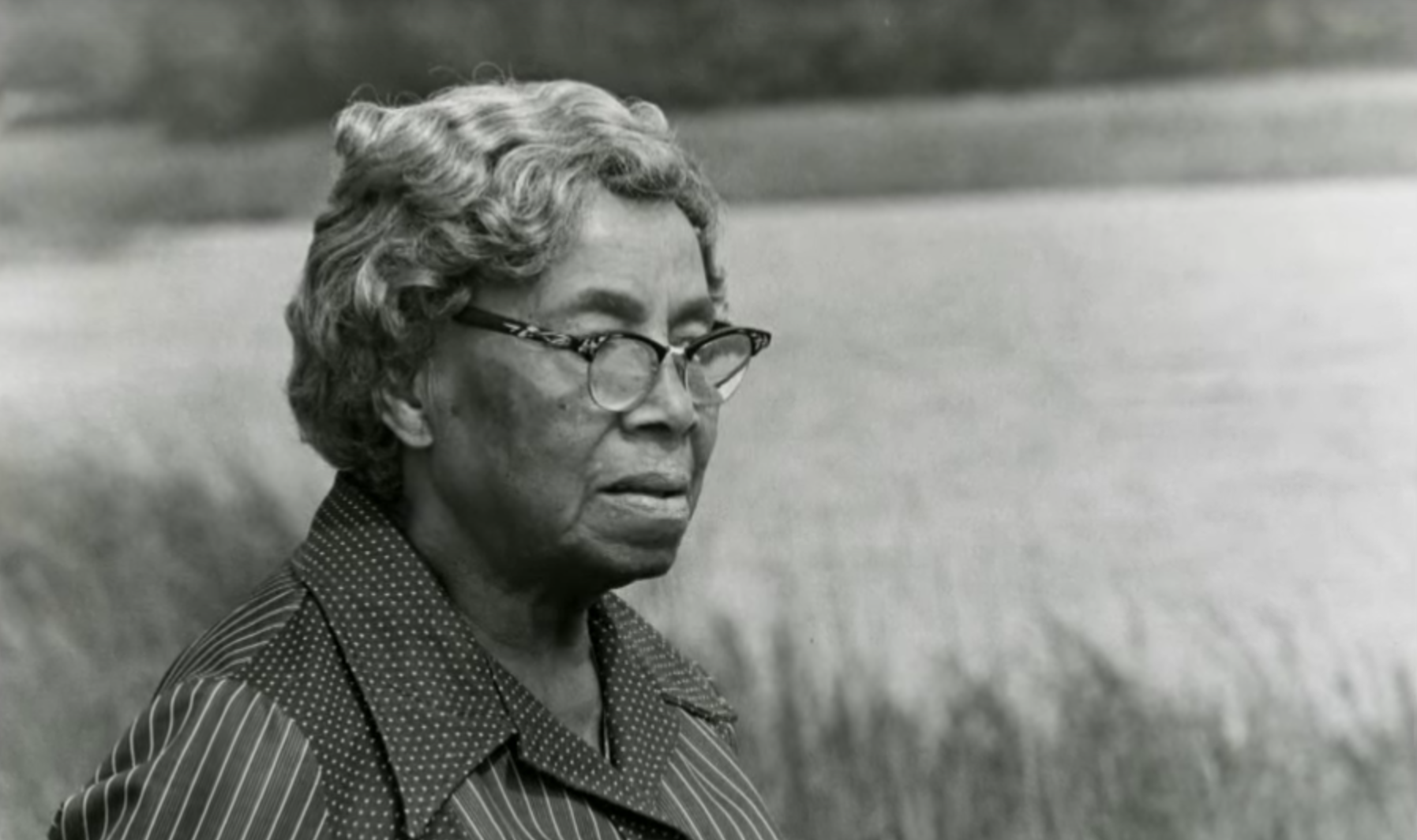
I have great belief in the fact that whenever there is chaos, it creates wonderful thinking. I consider chaos a gift.


Ready from Within: Septima Clark and the Civil Rights Movement. Africa World Press.  1990. As found in 2022 Great Quotes from Great Leaders Boxed Calendar: 365 Inspirational Quotes from Leaders Who Shaped the World.

Monday, November 7, 2022

hook your audience with one sentence


[James] Patterson spends a lot of time writing the first lines of every chapter. That’s the opportunity to hook the audience. For example, the first sentence of Kiss the Girls, the second in the Alex Cross series of novels, reads:


For three weeks, the young killer actually lived inside the walls of an extraordinary fifteen-room beach house.


A lot of thought (and rewriting) goes into crafting a sentence like that. The purpose is to entice the reader to lean in, so they’re quickly invested in the story.


First lines are also crucial for speeches and presentations. Avoid starting a presentation with a long, tedious agenda of what you plan to cover. Instead, hook your audience with one sentence that draws them in.


In 2007 Steve Jobs kicked off the 90-minute iPhone presentation with the line, “Today Apple is going to reinvent the phone.” I was watching and I was hooked. I wanted the mystery to be solved: How was Apple going to reinvent it? What would it look like? What features will it have? How is it different than my Blackberry? How much will it cost, and when can I buy it?”


Carmine Gallo

"James Patterson’s Storytelling Tips For Leaders," Forbes. August 10, 2022


Sunday, November 6, 2022

we do not listen to understand


Think about it, the word listen and the word silent are spelled with the same letters.

In order to be a good listener, we first need to learn how to be silent.

That includes, not thinking about how you’re going to reply when another person is talking.

“The biggest communication problem is we do not listen to understand. We listen to reply,” Stephen Covey.

Even though you might have a lot to say, sometimes it’s best not to respond.

In silence, without distractions, that’s when people feel respected and appreciated.


"Listen to Understand not to Reply," Norhart Blog. January 18, 2019